
Thinking about LASIK often brings a mix of curiosity and nerves. Many people imagine bright lights, complicated equipment, and a painful experience. The reality is far calmer. LASIK has been performed for decades, and the process is carefully structured to prioritise comfort and clarity at every step.
Fear usually comes from the unknown. Once the steps are explained clearly, most patients realise that LASIK is far less intimidating than expected. Understanding what happens before, during, and after treatment helps set realistic expectations and allows you to approach the decision with confidence rather than anxiety. For those considering laser eye surgery in Singapore, knowing the full journey makes a meaningful difference.
What LASIK really is and how it works
LASIK is a type of refractive surgery designed to correct vision issues such as short-sightedness, long-sightedness, and astigmatism. The goal is to reshape the cornea so that light focuses correctly on the retina, improving visual clarity without glasses or contact lenses.
The procedure uses advanced laser technology guided by precise measurements of your eyes. Every treatment plan is customised, which means no two LASIK procedures are exactly the same. This personalisation is one reason why outcomes have become so consistent over the years.
Importantly, LASIK is not rushed. While the laser part itself is brief, careful planning and checks are built into the process to ensure accuracy and safety.
Before surgery: Assessments and preparation
The LASIK journey begins well before the day of surgery. A thorough eye assessment determines whether you are a suitable candidate.
During this stage, your eye care team will look at:
- Corneal thickness and shape
- Degree and stability of your prescription
- Overall eye health
- Tear film quality and dryness levels
These checks help rule out conditions that may affect healing or results. You will also be advised to stop wearing contact lenses for a period before surgery, as they can temporarily alter the shape of the cornea.
This pre-surgery phase is also when questions are encouraged. Understanding the procedure, recovery expectations, and limitations ensures you feel informed rather than pressured.
The day of LASIK: What actually happens
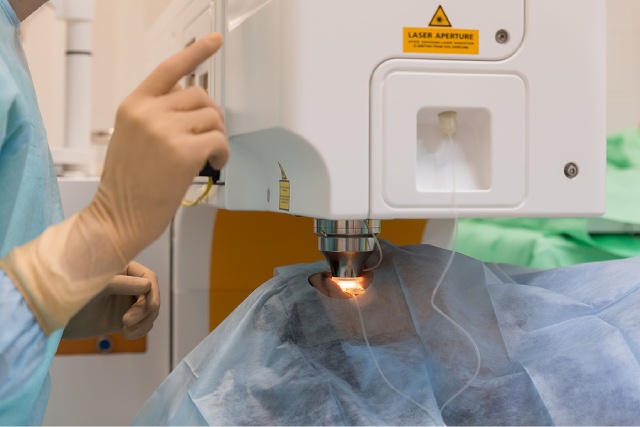
LASIK day tends to be simpler than many expect. You arrive at the clinic, and after final checks, numbing eye drops are applied. These drops ensure the procedure is comfortable, and most patients report feeling pressure rather than pain.
The surgery itself follows a clear sequence:
1. A thin corneal flap is created
2. The laser reshapes the underlying corneal tissue
3. The flap is repositioned to heal naturally
The laser application usually takes less than a minute per eye. Throughout the process, you are guided on where to look, and blinking is controlled safely by the equipment. From start to finish, the entire appointment often lasts under an hour, with the actual laser time being only a small part of it.
Immediately after surgery: The first few hours
Once the procedure is complete, you will rest briefly before heading home. Vision may appear hazy, watery, or slightly blurry at first. This is normal and expected.
Common sensations in the first few hours include:
- Mild burning or grittiness
- Light sensitivity
- Increased tearing
Most clinics advise keeping your eyes closed and resting during this initial period. Eye drops will be prescribed to support healing and prevent infection. You will also be reminded not to rub your eyes, as the corneal flap needs time to settle. Many patients are surprised by how quickly vision begins to clear, often within the same day.
Healing period
The first week is when noticeable improvements occur. Vision typically sharpens day by day, although fluctuations can happen. Some people experience clearer vision in one eye before the other, which usually balances out naturally.
During this period, you may be advised to:
- Avoid eye makeup
- Refrain from swimming or strenuous exercise
- Wear protective eyewear when sleeping
Dryness is common in the early healing phase. Lubricating drops help manage this and support comfort. While serious complications are rare, your doctor will also discuss the potential risks and side effects of LASIK surgery as part of your aftercare guidance.
Follow-up visits during this week ensure healing is progressing as expected.
Factors that influence recovery
Healing time varies slightly from person to person. Several factors play a role, including:
- Individual healing response
- Initial prescription strength
- Eye dryness levels
- Adherence to aftercare instructions
Lifestyle habits such as screen time, hydration, and sleep also affect recovery comfort. Clear communication with your eye care provider ensures concerns are addressed early rather than ignored.
Is LASIK painful or risky?
One of the most common misconceptions is that LASIK is painful. The vast majority of patients describe the experience as uncomfortable rather than painful, with sensations resolving quickly after surgery.
Modern technology, strict screening, and experienced surgeons have significantly reduced complication rates. When patients are carefully selected and properly prepared, outcomes are consistently positive. Understanding the process clearly helps set realistic expectations and reduces unnecessary worry.
Choosing the right clinic matters
Results depend not only on technology but also on expertise and care standards. A reputable clinic focuses on education, safety, and long-term outcomes rather than speed alone.
If you are exploring options for laser eye surgery in Singapore, choosing a clinic that prioritises thorough assessments and transparent communication is essential for peace of mind.
Conclusion
LASIK is a well-established procedure with a structured process and a predictable healing timeline. Knowing what to expect before, during, and after surgery helps replace fear with confidence and allows you to make an informed decision.
If you are considering LASIK and want personalised guidance, the team at Ava Eye Clinic is here to help. You are welcome to get in touch and book a consultation to explore whether LASIK is right for your eyes and your lifestyle.