
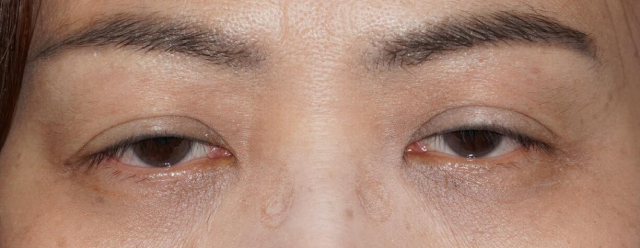
Living with droopy upper eyelids can feel frustrating, especially when you are not sure whether surgery is the right step. Wanting to explore ptosis surgery often starts with a simple question: “Am I actually a suitable candidate for it?” This is an important question, because ptosis goes beyond just appearance. It involves eyelid function, muscle strength, and how your eyes work together every day.
Choosing surgery without a proper understanding can lead to disappointment, while waiting too long can affect vision, comfort, and confidence. Knowing the causes of ptosis and recognising the signs that surgery may help allow you to make a more informed and calm decision. This guide walks through what ptosis is, why it happens, and five clear signs that you may benefit from surgical correction.
What is ptosis, and why does it happen?
Ptosis refers to a drooping of the upper eyelid that causes it to sit lower than it usually does. It can affect one eye or both and may develop slowly or appear suddenly. In mild cases, the change is subtle. In more severe cases, the eyelid blocks part of the pupil and interferes with vision.
Common causes of ptosis include:
- Age-related muscle weakening – Over time, the levator muscle that lifts the eyelid can stretch or weaken, leading to gradual drooping.
- Congenital ptosis – Some people are born with under-developed eyelid muscles and the ptosis shows up earlier in life.
- Nerve-related conditions – Issues affecting the nerves that control eyelid movement can cause the lid to droop unexpectedly.
- Previous eye surgery or trauma – Procedures involving the eye or repeated rubbing may affect eyelid structure and muscle attachment.
- Contact lens use over many years – Long-term use, especially rigid lenses, may contribute to muscle stretching in some individuals.
Understanding the cause is essential because it helps determine whether surgery is appropriate and what type of correction is needed.
Why being the right candidate matters
Ptosis surgery is not a one-size-fits-all procedure. The goal is not only to lift the eyelid but also to restore balance, protect eye health, and maintain a natural look. Being a good candidate means that surgery can address the underlying issue safely and effectively.
An evaluation typically looks at eyelid height, muscle strength, eye surface health, and overall eye function. This ensures that surgery improves daily life rather than creating new issues such as dryness, discomfort, or uneven results.
Five signs you may be a good candidate for ptosis surgery
1. Your upper eyelids block part of your vision
One of the clearest signs is when the drooping eyelid interferes with sight. You may notice:
- Difficulty reading or focusing unless you tilt your head back.
- Feeling that your eyes tire quickly during tasks, sometimes to the point where you need to lift up your eyelid to see better.
When ptosis affects vision, surgery is often considered medically necessary rather than a cosmetic procedure.
2. You feel constant brow or forehead strain
Many people with ptosis unconsciously raise their eyebrows to lift their eyelids. Over time, this can cause:
- Frequent forehead tension
- Headaches by the end of the day
- A permanently surprised or strained expression
If brow lifting has become a habit rather than a choice, it suggests that your eyelids are not functioning properly on their own.
3. Your eyelids look uneven or increasingly asymmetrical
Asymmetry is common with ptosis, especially when one eyelid droops more than the other. This may lead to:
- Facial imbalance in photos
- Feeling self-conscious during conversations
- Difficulty applying eye makeup evenly
While appearance alone does not determine candidacy, noticeable asymmetry combined with functional issues often points towards ptosis surgery for sagging, droopy, and asymmetrical upper eyelids as a suitable option.
4. You have good overall eye health and muscle response
A strong candidate typically has:
- Healthy eyes without active infection or severe dryness
- Adequate levator muscle response during examination
- Stable vision with or without glasses
This does not mean your eyes must be perfect. But a good ocular surface is a pre-requisite before any ptosis repair and a good levator function tends to help with a good result.
5. Your drooping has progressed or affects daily life
Ptosis that worsens over time or begins to affect daily routines is another sign. This may show up as:
- Feeling that your eyes look tired even when you are well rested
- Avoiding activities that require sustained focus
When ptosis begins to interfere with comfort or confidence, surgery may provide both functional relief and emotional ease.
What an evaluation for ptosis surgery involves
A proper assessment is more detailed than a quick glance. It usually includes:
- Measuring eyelid height and symmetry
- Testing eyelid muscle strength (levator function)
- Checking eye surface moisture and blink quality
- Reviewing medical history and previous eye procedures
Photographs may be taken to record eyelid position. This careful approach helps tailor treatment to your specific needs.
What ptosis surgery can and cannot do
Ptosis surgery focuses on lifting the eyelid by tightening or repositioning the muscle responsible for eyelid elevation. It can:
- Improve upper field vision
- Reduce forehead strain
- Create a more balanced, alert appearance
However, it does not stop ageing or replace other eyelid procedures if excess skin is also present. In some cases, additional treatments may be discussed to achieve the best outcome.
Emotional and practical considerations
Deciding on surgery is not only physical. Many people wait years before seeking advice because they worry about looking unnatural or undergoing unnecessary procedures. Feeling informed, supported, and understood plays a big role in satisfaction.
Taking time to discuss concerns, expectations, and lifestyle needs ensures that surgery aligns with your reasons for considering it in the first place.
Conclusion
If drooping eyelids are affecting your vision, comfort, or confidence, understanding whether you are a suitable candidate is the first step forward. A personalised assessment can clarify your options and help you decide what feels right for you.
If you are considering treatment, Ava Eye Clinic is here to guide you through a clear, thoughtful evaluation process. To learn more or explore whether surgery is appropriate for your situation, get in touch or contact us to arrange a consultation and take the next step with confidence.