
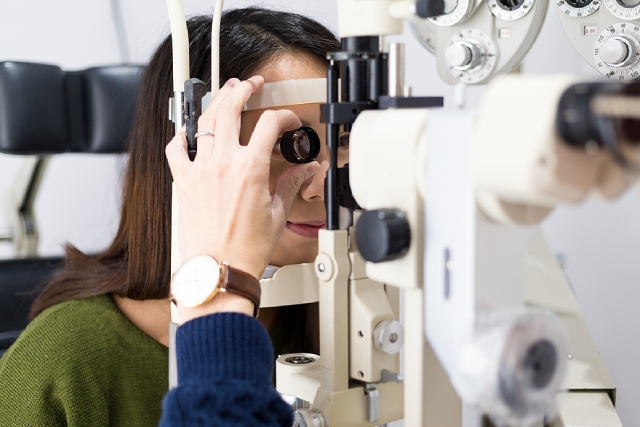
Clear vision is something many people wish for, especially if glasses or contact lenses have been part of daily life for years. When people begin researching vision correction, LASIK is often the first procedure they hear about. However, modern eye care has evolved significantly, and vision surgery today includes more than one solution.
Many individuals are surprised to learn that LASIK is not the only option available. Advances in ophthalmology have introduced procedures designed for different eye conditions, lifestyles, and long-term visual needs. Understanding the differences between LASIK and Implantable Collamer Lens (ICL) surgery can help you make a more confident and informed decision about your eye health.
Understanding vision correction surgery
Vision correction surgery aims to reduce or eliminate dependence on glasses or contact lenses by correcting refractive errors like astigmatism, myopia (short-sightedness), and hyperopia (long-sightedness). These conditions occur when light entering the eye does not focus properly on the retina.
Two of the most commonly recommended procedures today are LASIK and ICL. While both improve vision, they work in completely different ways and suit different types of patients.
LASIK reshapes the cornea using laser technology, while ICL involves placing a specialised lens inside the eye without removing natural tissue. The choice between them depends on factors such as corneal thickness, prescription strength, lifestyle needs, and overall eye health.
What is LASIK?
LASIK eye surgery is a laser-based procedure designed to reshape the cornea so that light focuses correctly on the retina. The cornea plays a key role in how the eye bends light, and small adjustments can significantly improve vision clarity.
During the procedure, a thin flap is created on the corneal surface. A laser then reshapes the underlying tissue before the flap is repositioned. The entire surgery usually takes only minutes per eye, and patients remain awake throughout.
Many people choose LASIK because of its relatively quick recovery. Vision often improves within a day or two, and most individuals return to normal routines shortly after treatment.
LASIK is commonly suitable for:
- Individuals with mild to moderate short-sightedness, long-sightedness, or astigmatism
- Patients with stable prescriptions
- Those with sufficient corneal thickness
- People seeking fast visual recovery
Although LASIK is widely performed, it is not ideal for everyone. Some patients may have corneas that are too thin or prescriptions that are too high for safe laser reshaping.
What is ICL surgery?
Instead of reshaping the cornea, this procedure places a soft, biocompatible lens inside the eye, positioned between the iris and the natural lens. The implanted lens works alongside the eye’s natural structures to correct vision. Because no corneal tissue is removed, the procedure preserves the cornea’s original shape.
ICL is often recommended for individuals who:
- Have high degrees of myopia
- Have thin corneas unsuitable for laser procedures
- Have other corneal conditions that prevent them from having LASIK
Key differences between LASIK and ICL
Although both surgeries aim to improve eyesight, their approaches and recovery experiences vary.
- How the correction works – LASIK permanently reshapes the cornea using a laser. ICL adds an internal lens to correct how light enters the eye without altering corneal tissue.
- Suitability – LASIK is typically ideal for moderate prescriptions and healthy corneas. ICL often becomes the preferred option for higher prescriptions or thinner corneas.
- Reversibility – LASIK results are permanent because tissue is removed. ICL lenses can be removed or exchanged if future needs change.
- Dry eye considerations – Some LASIK patients experience temporary dry eye symptoms after surgery. ICL tends to have slightly less impact on tear production since the cornea remains untouched.
- Visual quality – Both procedures can deliver excellent outcomes. Some patients with very high prescriptions report sharper night vision with ICL due to reduced glare or halos.
Recovery and healing expectations
Recovery experiences differ between the two procedures, though both are generally manageable with proper care.
LASIK recovery is known for being fast. Many patients notice clearer vision within 24 to 48 hours. Mild discomfort, light sensitivity, or dryness may occur temporarily. Doctors provide medicated eye drops to support healing and reduce inflammation.
Patients researching the LASIK surgery process and healing time often find reassurance in how quickly daily activities can resume, although full stabilisation of vision may still take several weeks.
On the other hand, ICL recovery may take slightly longer during the initial days because the eye adjusts to the implanted lens. Vision improvement is often noticeable soon after surgery, but follow-up visits are important to monitor eye pressure and healing progress. Regardless of the procedure, avoiding eye rubbing, swimming, and strenuous activity during early recovery helps protect results.
Risks and Safety Considerations
All surgical procedures carry some level of risk, although modern vision correction surgeries have strong safety records when performed by experienced specialists.
Possible LASIK risks include:
- Temporary dry eyes
- Light sensitivity
- Night glare or halos
- Undercorrection or overcorrection in rare cases
ICL risks may include:
- Increased eye pressure
- Infection, though uncommon
- Lens positioning issues requiring adjustment
- Undercorrection and overcorrection in rare cases
Pre-surgical screening plays a crucial role in reducing complications. Detailed eye examinations allow ophthalmologists to recommend the safest and most suitable procedure based on individual anatomy.
Lifestyle factors that influence your choice
Choosing between LASIK and ICL is not only about medical eligibility. Lifestyle and personal preferences also influence which procedure feels right.
People with active lifestyles often appreciate LASIK because there is no implanted device inside the eye. Athletes and individuals working in physically demanding environments sometimes prefer this simplicity.
On the other hand, individuals with severe prescriptions who struggled with thick glasses for years may find ICL life-changing.
Age can also influence recommendations. Younger adults with stable prescriptions often qualify for LASIK, while others may benefit from ICL, depending on long-term eye health considerations.
Which option might suit you better?
There is no universally superior procedure. The best option depends entirely on your eyes and your daily needs.
A thorough consultation with an eye specialist remains the most reliable way to determine eligibility. Advanced imaging and diagnostic tools help doctors evaluate corneal structure, eye pressure, and overall ocular health before recommending treatment.
Conclusion
Choosing between LASIK and ICL is ultimately about finding the solution that fits your eyes, your comfort level, and your long-term visual needs. Both procedures have helped many people achieve clearer vision and greater independence from corrective lenses when properly matched to the patient.
If you are considering vision correction and would like professional guidance tailored to your condition, Ava Eye Clinic is ready to help. Our experienced team can assess your suitability, explain your options clearly, and support you through every step of the journey. Get in touch with Ava Eye Clinic to begin exploring which vision surgery may be right for you.